Mary Queen of Scots
-
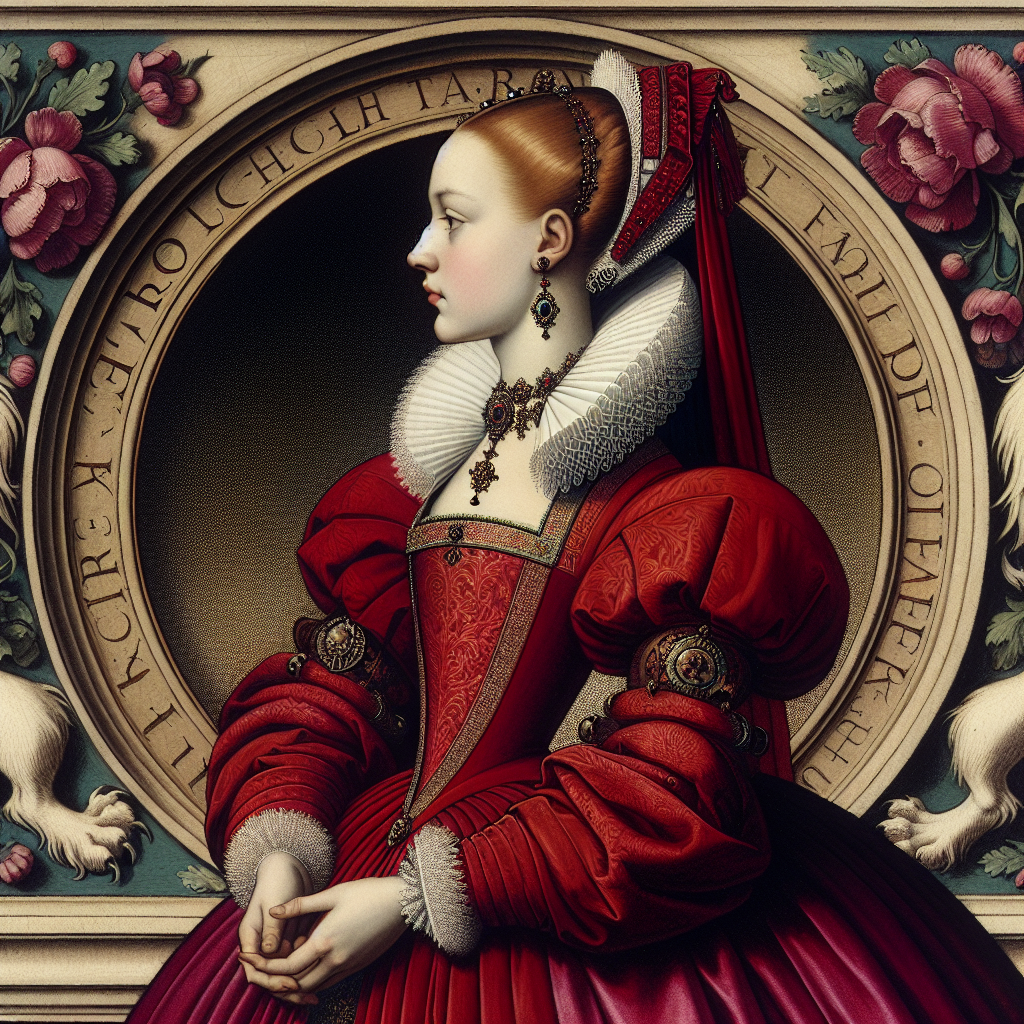
As promised, #EuropeanBios entry 48 is Mary, Queen of Scots, hot on the heels of her cousin, Elizabeth 1, who was entry 47. Mary was nine years younger than Liz, similarly powerful and privileged, subject to all the same sexist forces, and came to a different, equally tragic end.
-
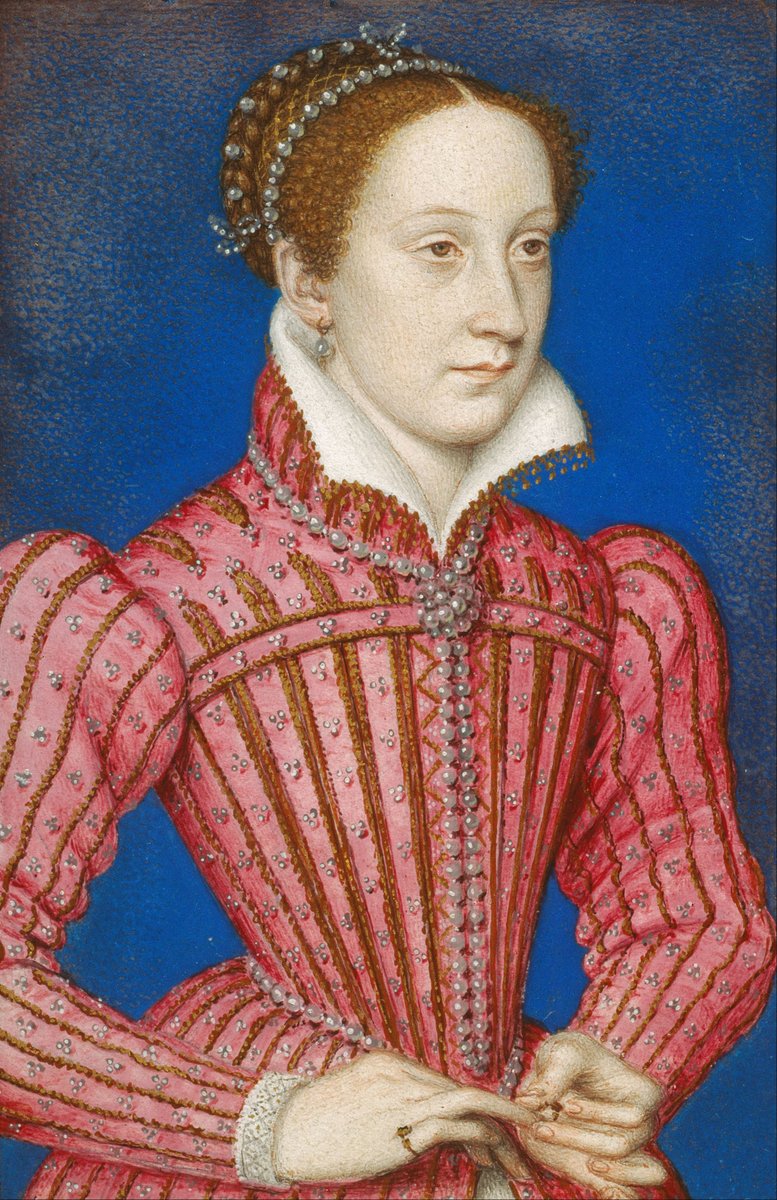
Portrait of Mary Queen of Scots, attributed to François Clouet, c.1558-60 public domain -
If you have not yet read my thread on Elizabeth 1 this is the first time in this series that I'm going to require that you've read an earlier thread; I'm going to be comparing the two without re-telling Elizabeth's story so this won't make sense without it.
-
Mary was born in 1542 and became Queen of Scotland 6 days later when her father, James 5 of Scotland, died. Since she was an infant, Scotland would be ruled by a series of regents until she became an adult. But having an infant queen made Scotland politically vulnerable.
-
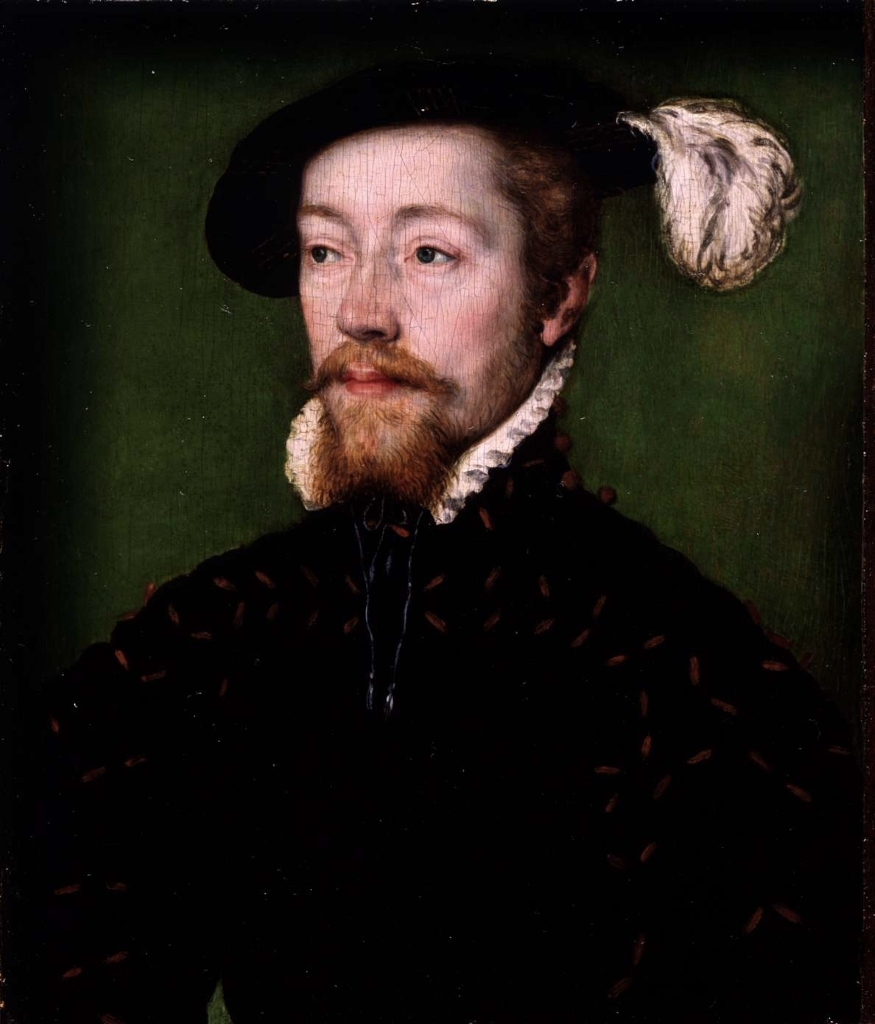
Portrait of James V of Scotland, attributed to Corneille de Lyon, c.1536 public domain -
You'll recall that cousin Elizabeth spent her entire life diligently avoiding getting married, a path that allowed her to maintain her power but ultimately left her isolated and unhappy. Mary represents the opposite path: what if you got married *immediately*, and over and over?
-
Mary was first promised in marriage when she was 6 months old. Under the terms of a treaty between Scotland and England (still independent at this point), she would at age 10 marry Edward, son of Henry 8 of England, uniting the two kingdoms. Edward, 5, would be 15 by then.
-
The nobles of Scotland were not thrilled about this treaty though and annulled it. Henry 8 tried to revive the marriage through what was called "Rough Wooing", which was basically war with Scotland. This went on for several years.
-
In exchange for military help against Henry, Scotland made a bargain with France: Mary, now 4, would be promised in marriage again, this time to Dauphin Francis, the heir to the French throne, himself 3 years old, thus uniting the kingdoms of France and Scotland instead.
-
Obviously Mary, still basically a toddler, had no agency whatsoever in any of this and had already been married twice. Unfortunately this total lack of control over the events of her life was a pattern that was going to stick all the way until the end.
-
Five year old Mary was now destined to become French royalty. This suited her mother, who was French, just fine. To guarantee this agreement and keep the child Mary safe from military threats from England, her mother sent Mary to be educated in France with her family.
-
Which family? The House of Guise, french nobility, who lived at the royal court. Whose court? Why, none other than our former subject Catherine de Medici, Queen of France and notable murder enthusiast.
-
Catherine was not a fan of Mary but everyone else got along with her just fine. She was educated alongside Francis and led a happy and comfortable life for 13 years. In 1558, at age 16, she officially married him. Then things got complicated and busy again.
-
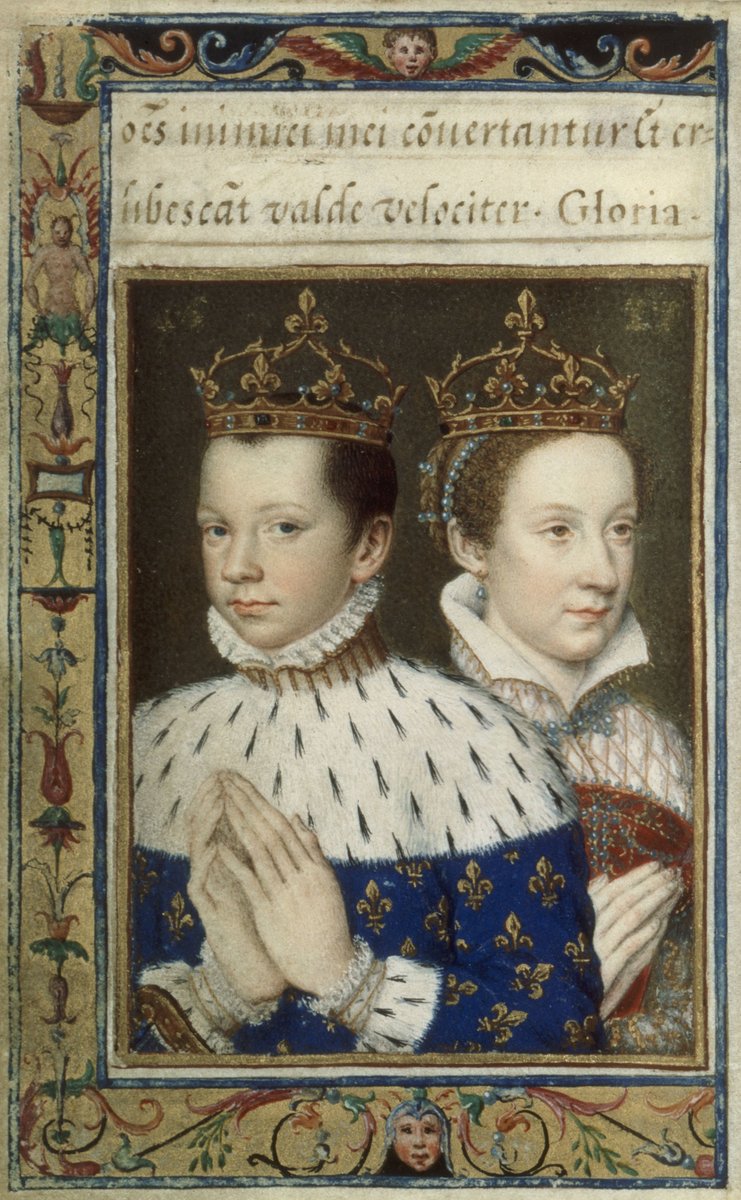
Double portrait miniature of Francis II of France and Mary Queen of Scots, c.1558 public domain -
In 1559, Francis' dad Henry died, making Mary and Francis King and Queen of France. This happy state of affairs (for Mary; Catherine was pissed because she hated the Guise family) ended a little over a year later when Francis, always a sickly child, died at age 16.
-
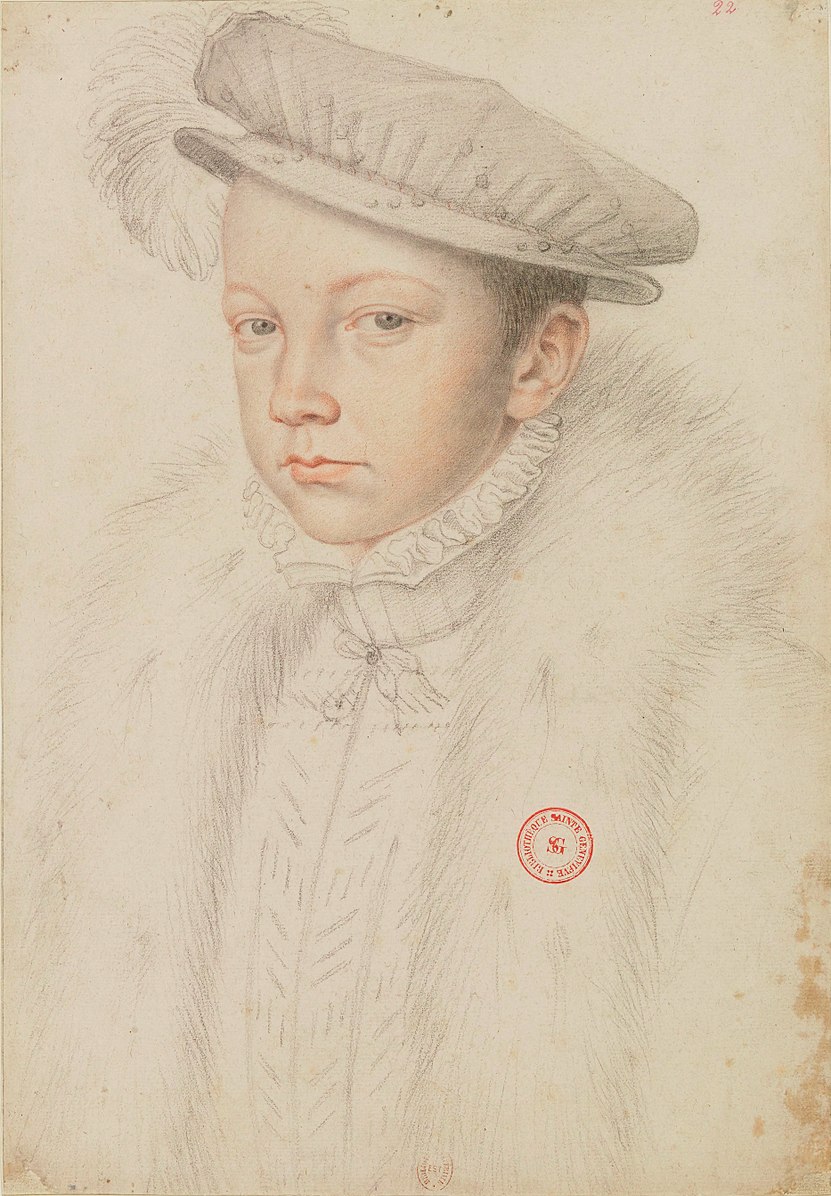
Portrait of Francis II of France as a child, François Clouet, c.1552 public domain -
Mary was now 18, a widow, Queen of Scotland and extremely ex-queen of France, which was back under the control of Catherine after the French throne went to one of her younger sons. As usual, Mary had no say in any of this and there was no question of keeping the French throne.
-
Elizabeth meanwhile had become queen of England two years earlier and this was a major problem because England had unilaterally changed the rules about how royalty worked in order for this to happen, and not everyone was on the same page.
-
You'll recall that Bloody Mary (Liz's sister) had decided Elizabeth got the crown next. This was supported by an act of parliament which specifically said the Tudors, i.e. Mary of Scots and her father's side of the family, were excluded from succeeding to the throne of England.
-
But this was a problem because the thing making Elizabeth queen was English law, not the usual rules of monarchy. Under the normal rules, still in effect everywhere except England, Mary of Scots, descendant of Henry 7, should have got the throne and be Queen of England.
-
This obviously set up some conflict between Scotland and England and between Mary and Elizabeth in particular. In addition to fending off marriage proposals and religious upheaval and endless demands for a successor, Elizabeth knew that Mary might steal her throne at any time.
-
Mary did not make things easier. She and Elizabeth loudly and repeatedly proclaimed eternal friendship but Mary immediately began looking for ways to become Elizabeth's successor to the throne, and would keep at this for the rest of her life, a constant aggravation to Elizabeth.
-
The other problem with Mary's claim to the throne was that, having been educated at the French court, she was Catholic, extremely Catholic, and the English nobility were (see previous thread) not at all jazzed about another Catholic on the throne after the Bloody Mary debacle.
-
Mary looked for a marriage that would strengthen her claim, and was conveniently introduced to her cousin Henry Stuart, Lord Darnley, who was through various gross royal cousin-marriages multiply himself in line for the English throne and, unlike Mary, English himself.
-
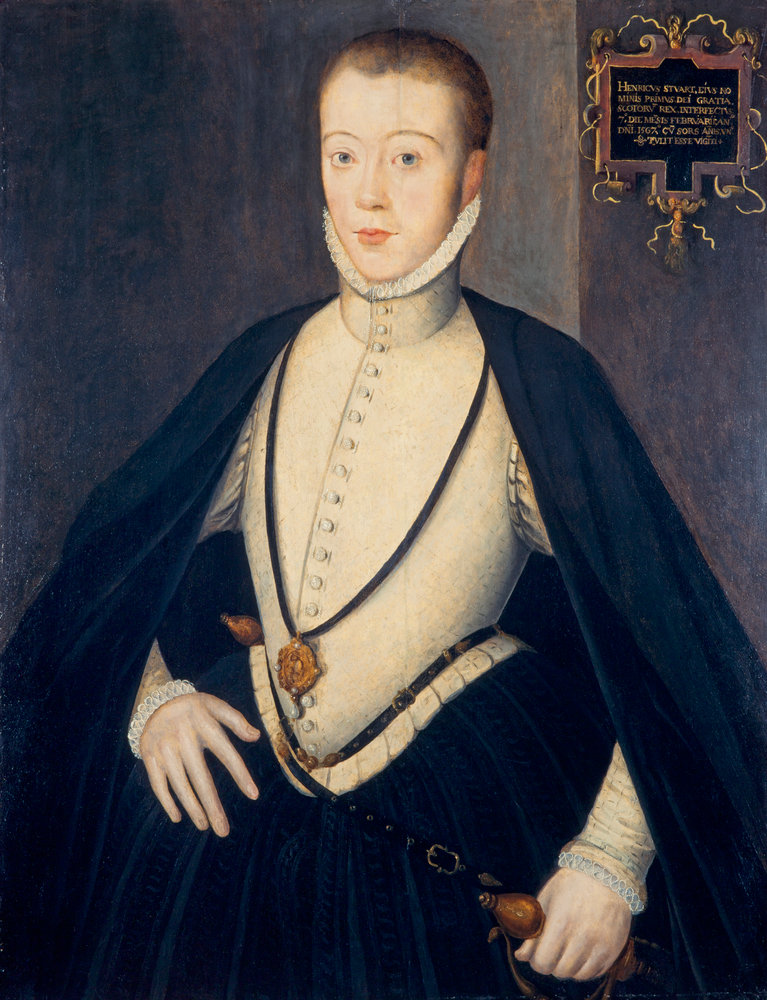
Portrait of Henry Stuart, Lord Darnley, c.1565 public domain -
Unlike other potential matches, Darnley was also young, tall and handsome. Mary, still only 23, fell in love and married him. This was a bad move since it enraged Elizabeth, who didn't want Mary to have a stronger claim, and as her cousin Darnley should have asked her permission.
-
It was also a bad move because Darnley turned out to be a huge asshole. He was vain, arrogant, prone to drunkenness and violence. As Elizabeth had always feared would happen if she married, he decided that as Mary's husband he was king and in charge of her and everyone else.
-
Darnley was also sexually promiscuous and enthusiastically bisexual. He was found in bed with David Rizzio, Mary's private secretary. He then threw suspicion back on Rizzio, accusing him of sleeping with Mary and being the father of her child (actually Darnley's).
-
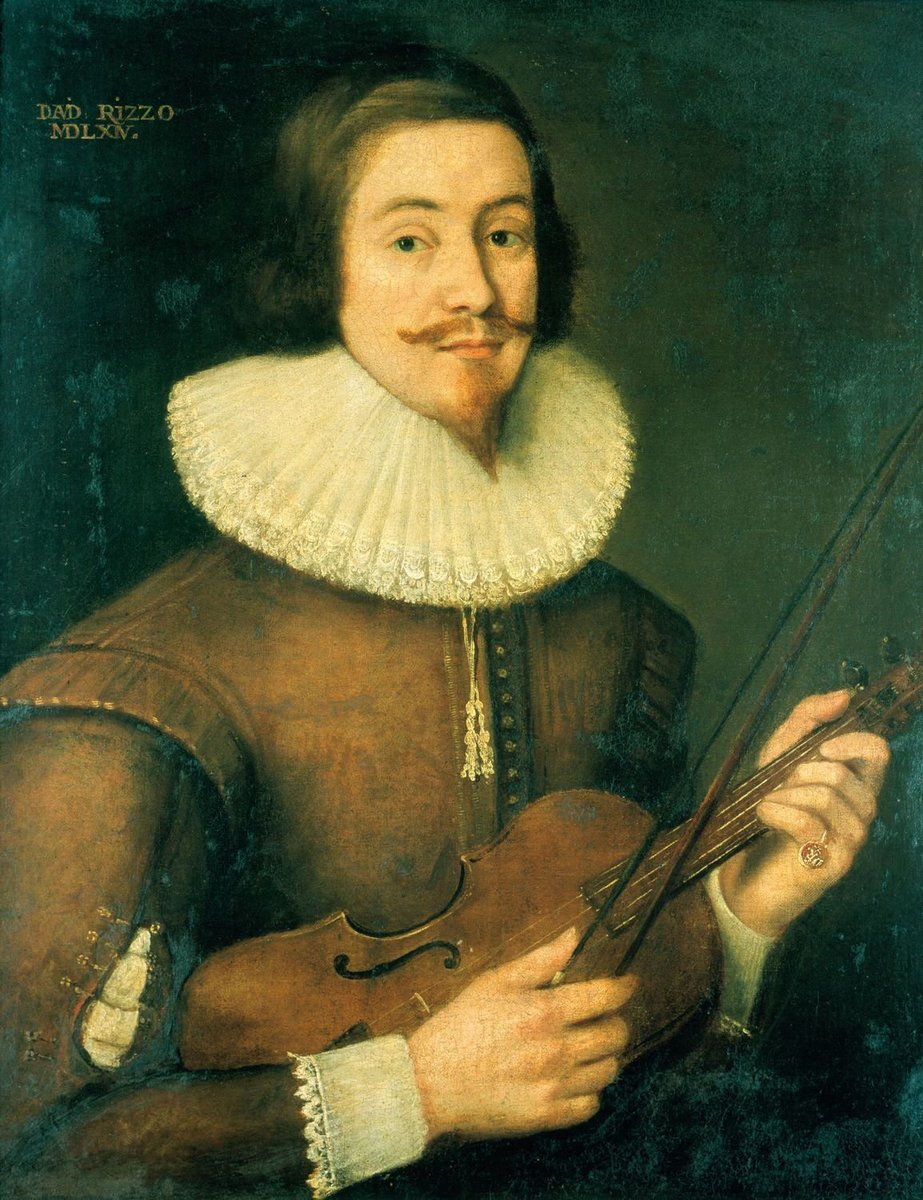
Portrait of David Rizzio, Mary's secretary, 1565 public domain -
The result was a horrific murder in 1566, in which Mary was held at gunpoint while Rizzio was dragged from the room and stabbed 56 times, with Darnley an enthusiastic participant in the plot. Mary, traumatized, was estranged from Darnley forever after this.
-
Again, it's worth drawing the comparison to Elizabeth, who was still in power and endlessly fending off marriage proposals while denying herself marriage to her beloved Robert Dudley. Mary instead married the man she loved and it was a total disaster, justifying Liz's position.
-
Everyone else was also very tired of Darnley by this point and so in 1567 he was murdered in an extremely botched assassination plot. They blew up his bedroom with gunpowder, but Darnley escaped ahead of the explosion so instead they strangled him to death in the garden.
-
The primary mover in the plot was the privy council of Scotland, in particular the Earl of Bothwell, who had a thing for Mary. Mary was suspected of the murder but was not apparently in on it, though she was by no means sad to see the end of her hated husband.
-
She then (or possibly before) fell for Bothwell, and married him. Unfortunately Bothwell, technically her fourth husband, was no better than the previous three and turned out to be an abusive and controlling husband. Poor Mary.
-
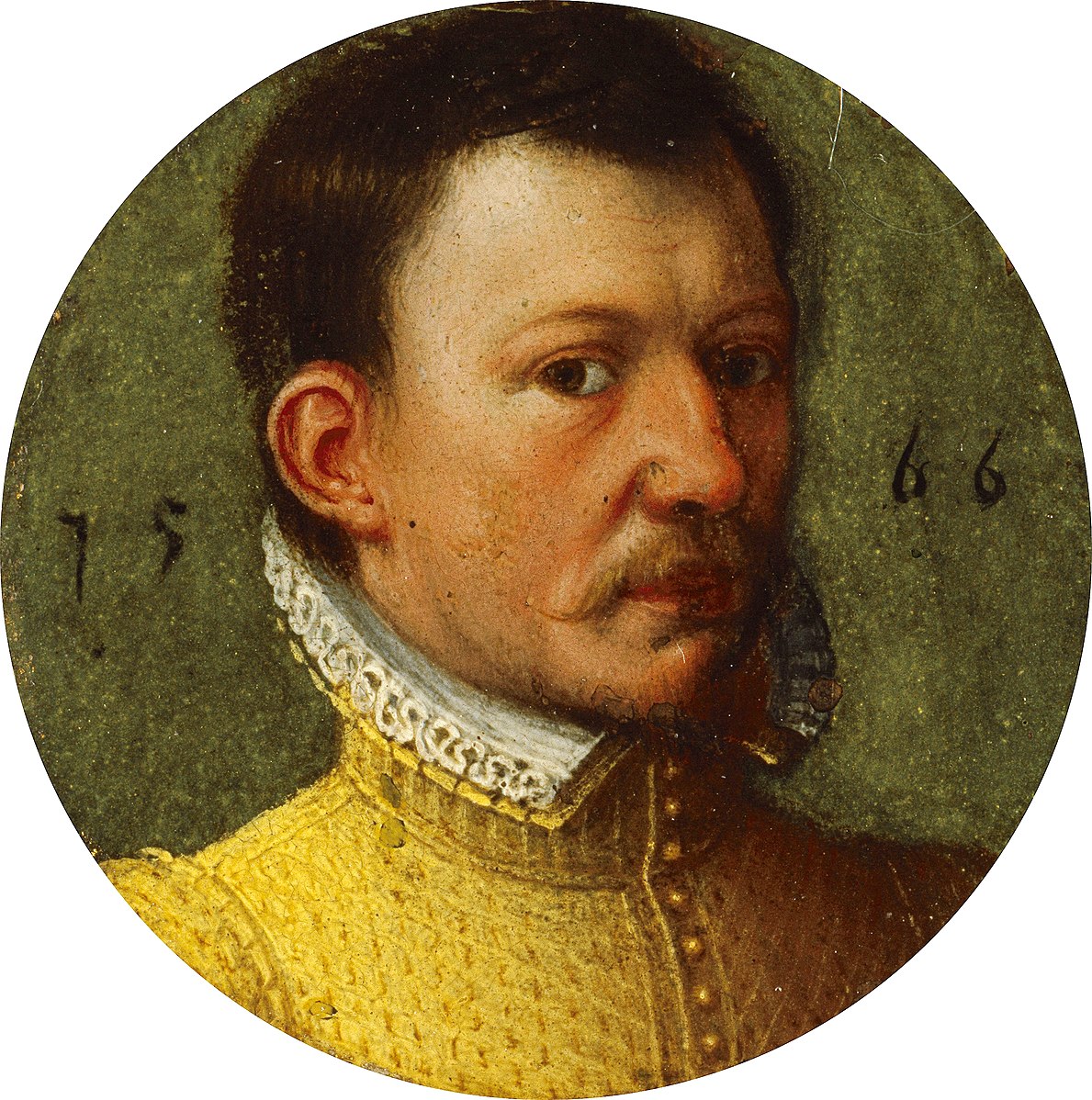
Portrait of James Hepburn, Earl of Bothwell, c.1566 public domain -
The Scottish nobility likewise weren't thrilled that their former peer Bothwell was now literally lording it over them as king. They accused him (correctly) of murdering Darnley, convicted him, had him exiled, accused Mary (wrongly) of being in on it, and threw her in prison too.
-
Mary, still only 25, spent the rest of her unhappy life in prisons of varying degrees of harshness, from house arrest to dungeons. She escaped once, which led to her being re-imprisoned under much tighter guards. Her son James (Darnley's kid) became king of Scotland, aged 1.
-
This remained a problem for Elizabeth. As long as Mary was alive she was a threat to her throne, and also the idea that a bunch of nobles could depose their own queen and try her like a common criminal set a precedent she didn't like at all.
-
Elizabeth wanted Mary reinstated as queen of Scotland but had no power to do so. But as long as Mary wasn't ruling Scotland she was too big a threat to the throne of England, so Elizabeth had to keep her locked up; the English nobility would have preferred to kill her.
-
On top of this Mary kept making the situation worse by hatching increasingly hare-brained schemes to escape her imprisonment by stealing the throne from Elizabeth. These got more and more blatant until the English nobility had had enough, and forced Elizabeth to execute Mary.
-
Her execution was awful. They cut off her head and when they held it aloft for the crowd to see, her wig parted from her scalp and her head bounced to the floor. When her body was moved, her beloved dog was discovered nestling in the folds of her dress, drenched in blood.
-
But fate had a cruel final card to play. Her son James, taken from her as a baby, was raised protestant. As her son, he had as strong a claim to the English throne as she did, but as a man and a protestant, he was more attractive to English nobles than either Mary or Elizabeth.
-
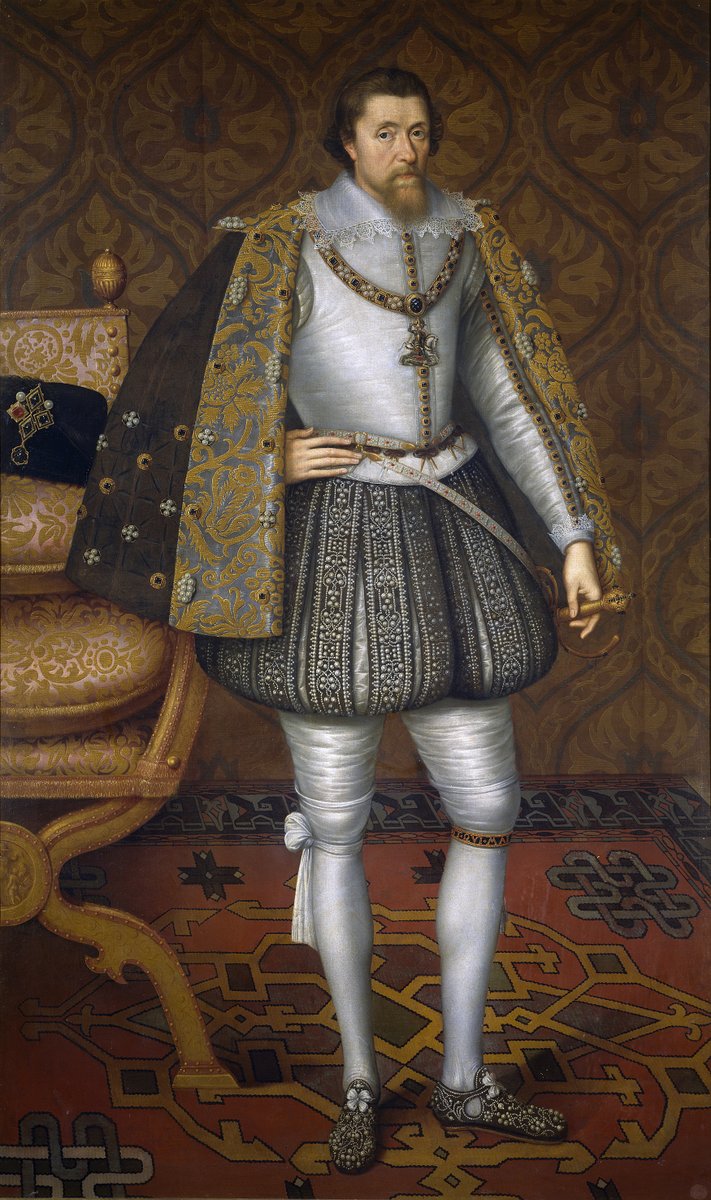
Portrait of James VI of Scotland (later James I of England), attributed to John de Critz, c.1605 public domain -
So when Elizabeth died, childless and unwanted, Mary's son James was named her successor and the kingdoms of England and Scotland were united. Mary's descendants remained in power until revolution temporarily ended the monarchy itself, while Elizabeth's dynasty ended with her.
-
Mary and Elizabeth present two extremes: total agency and none, marriage for love against all advice versus denying oneself love forever. Both lives of these talented and intelligent women were ruined by sexist moves to shake them from power, both were their own kind of tragedy.
- Previously: Elizabeth 1
- Next: Tycho Brahe and Kepler
- Full list
Text and images copyright © 2020-2023 Laurie Voss
except where indicated
except where indicated